Drama is a lush, historic city in northern Greece,
Typical for 19 November
Day/Nightavg 14°/6°H 19°/11°L 10°/1°
About Drama
Drama is a green, authentic city in northern Greece, nestled at the foot of Mount Falakro in the region of East Macedonia and Thrace. Just 150 km northeast of Thessaloniki, Drama combines lush parks and springs (Agia Varvara), traditional neighbourhoods with neoclassical mansions, nearby wineries, caves and ski slopes, making it an ideal base for nature, culture and road-trip exploration all year round.
Local Events and Festivals
What is coming up here
Falakro ski centre, 30 km north of Drama at elevations between 1,615 m and 2,232 m, reopened in 2024-2025 after a five-year closure following a 20 million USD refurbishment. The 2025-2026 season opened in late December and offered 22 km of slopes served by nine lifts. Season timing depends on snowfall.
Falakro is the closest and most accessible ski destination to Drama city, making it an obvious winter day trip or short break addition for anyone visiting the region from December to March. The resort operates Thursday to Sunday plus national holidays, hours 9:00-16:00. Snow conditions in January are typically the most reliable; the snowiest week averages around 27 cm of snowfall. The season start and close dates fluctuate year to year with snow cover - the 2025-2026 season opened 29 December 2025. Falakro is not an international ski resort and should not be compared to Alpine destinations, but the terrain suits beginner to intermediate skiers and the views are spectacular. In summer, the same mountain offers serious hiking with trails to the Profitis Ilias summit at 2,232 m - a genuinely worthwhile ascent for fit walkers.
On 4 December the city honours its patron saint, Agia Varvara (Saint Barbara), with a liturgy at the lakeside church and the distinctive custom of floating candle-lit boats on the park lake. The evening glow of dozens of small lit vessels on the water is one of Drama's most photographed local traditions.
The feast day of Agia Varvara coincides with the opening night of Oneiroupoli, creating an unusually festive atmosphere in the city centre. The religious ceremonies begin with vespers on the evening of 3 December, during which the holy icon is processed from the church. On 4 December itself, residents place candles on hand-made or small wooden boats and set them afloat on the Agia Varvara park lake; a competition for the best-decorated boat is held. The tradition recalls the miraculous flood that, according to local legend, prevented the demolition of the church during Ottoman rule. The event is free, entirely local in character, and genuinely moving rather than touristic. Combine with the opening of Oneiroupoli in the same evening for maximum atmosphere.
Oneiroupoli ('Dream City') transforms Drama's municipal gardens and central square into Greece's largest Christmas theme park, running from 4 December to 6 January. Now in its 23rd edition (2026-2027), it draws visitors from across northern Greece and beyond with entirely free daily events: theatrical shows, workshops, children's activities, live concerts and seasonal gastronomy.
The 2025-2026 edition ran 4 December 2025 to 6 January 2026 and is confirmed by multiple independent sources. The event reliably opens on 4 December - the feast of the patron saint - so the 2026-2027 dates are projected to follow the same pattern. The park covers over 20,000 square metres and operates every day of its run. Every event and activity is free of charge, which makes it exceptional among Greece's Christmas events. The scale and quality are consistently praised: expect to encounter large crowds, especially on weekends and at New Year. Drama in December is cold by Greek standards (lows can approach freezing) so dress warmly. Worth a dedicated trip from Thessaloniki (roughly two hours) or Kavala (one hour). Book accommodation early - the town fills up.
On Epiphany (6 January) the village of Monastiraki, 5 km from Drama, revives the 'Arapides', a pre-Christian fertility ritual rooted in Dionysian worship. Men in goatskin capes, high-crested masks and large waist-bells parade through the village, dancing at crossroads, the cemetery and every doorstep. The custom is listed on Greece's National Index of Intangible Cultural Heritage.
The Arapides custom begins two or three days before Epiphany and culminates on 6 January. Participants wear black capes, pointed goat-skin masks and carry wooden swords; their movements are dictated by fixed ritual choreography that scholars link to ancient rites of resurrection and seasonal renewal. The procession moves house to house, drawing residents into communal dancing and feasting in the central plateia. This is one of the most genuinely archaic living traditions in northern Greece - not staged for tourists, primarily observed by locals - which makes it worth the short drive from Drama city on the day itself. Do not arrive expecting a ticketed performance; this is a village celebration you witness by showing up. It runs regardless of weather.
On 6 January the Orthodox Church celebrates Theophany (Epiphany). In Drama, the Great Blessing of the Waters is performed at the Agia Varvara park lake, followed by the symbolic casting and retrieval of the Holy Cross by local swimmers. This is a nationally observed holiday with a strong local resonance given the city's relationship with the park and its patron saint.
The Epiphany ceremony at the Agia Varvara lake is a natural fit for Drama: the same lake where candle-boats float on 4 December becomes the site of the cross-diving ritual five weeks later. The clergy leads a procession from the church to the water; the priest throws the cross into the lake and young swimmers dive to retrieve it, with the finder believed to receive a year's blessing. The ceremony is free to attend and draws a significant local crowd. Immediately after, the 'Arapides' masquerade begins in nearby Monastiraki village, making 6 January a genuinely double-feature day in the Drama region.
Tsiknopempti ('Smoky Thursday'), eleven days before Clean Monday, is the day Greeks grill meat in the streets nationwide. In Drama, tavernas and households fire up grills across the city, filling the air with wood smoke. In 2026 it fell on 12 February; in 2027 it falls on 11 February.
Tsiknopempti is observed as a boisterous communal event throughout Drama as in every Greek town, but Drama has its own festive edge: local tavernas serve at outdoor tables, butchers have their busiest single day of the year, and the central square typically sees organized gatherings with live music. The date is movable, falling on the Thursday of the second week of Apokries (Carnival season). This is not a structured festival with a programme but a city-wide street party centred on grilled meat, wine, and music. Do not plan to eat at a restaurant without a reservation on this day - everything fills early. Worth experiencing if you are already in northern Greece in February.
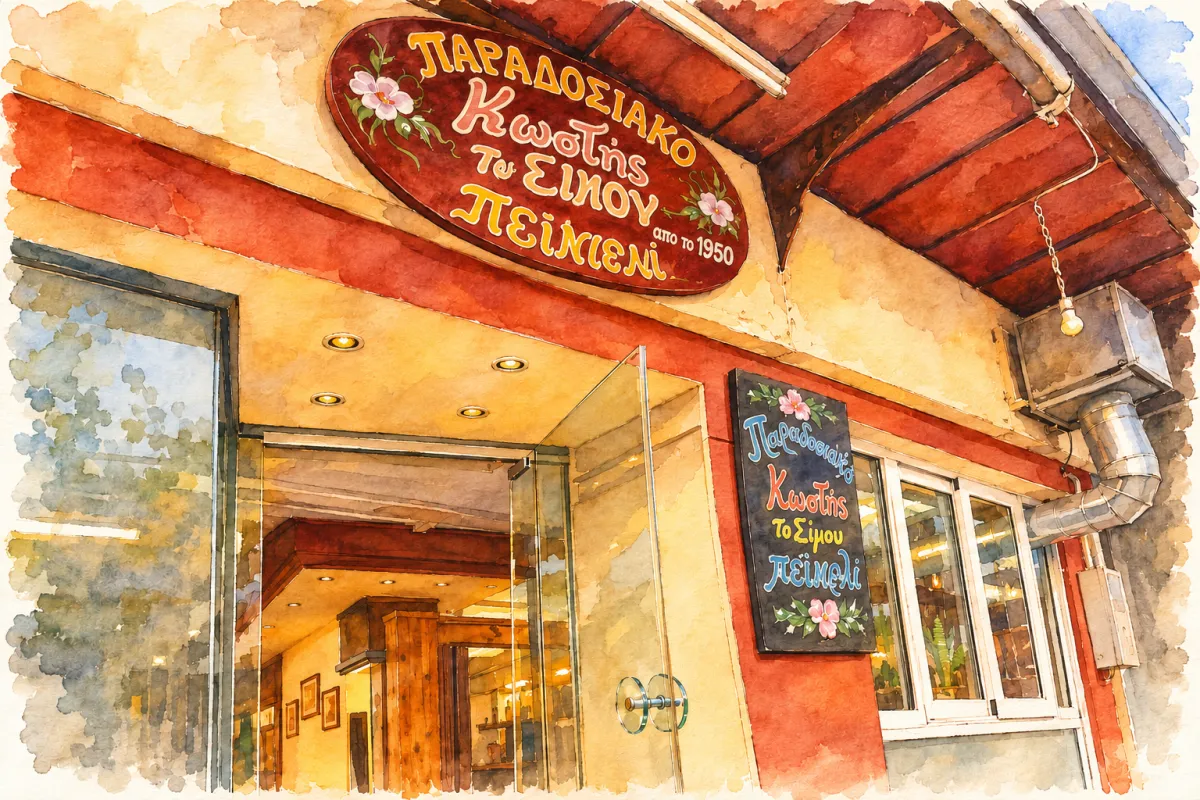
Drama’s everyday tables range from neighbourhood cookshops and peinirli counters to tavernas near Agia Varvara. Follow a meal with coffee, tsipouro or an evening drink around the centre. These places include small family businesses and well-known meeting spots, each with its own character.
Where to eat
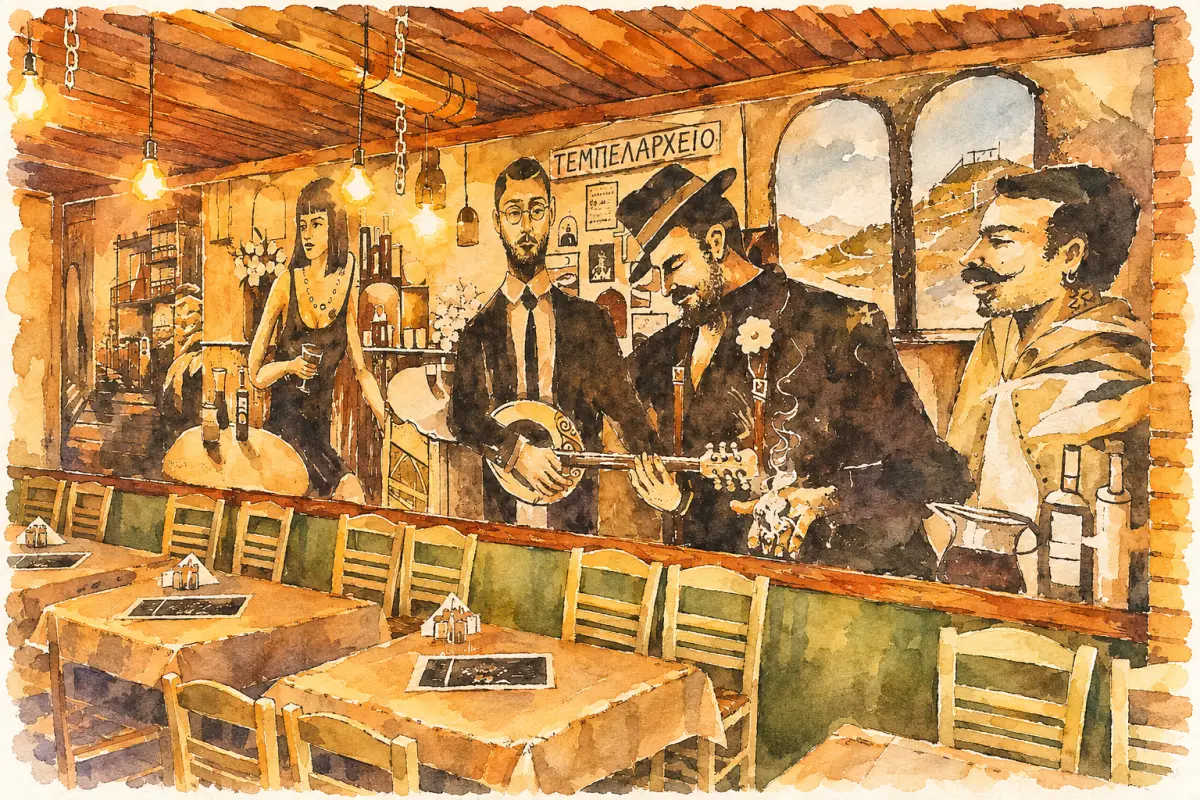
Tempelarcheio
Τεμπελαρχείο
•Meat meze
•Musician mural
•Small dining room
Small taverna · Mitropolitou Agathangelou 1
A small, sociable taverna for meat meze, kebapia and Volakas sausage. The wooden ceiling and musician mural give the dining room its character. Tables are close together, and neighbouring bars can make the evening lively.
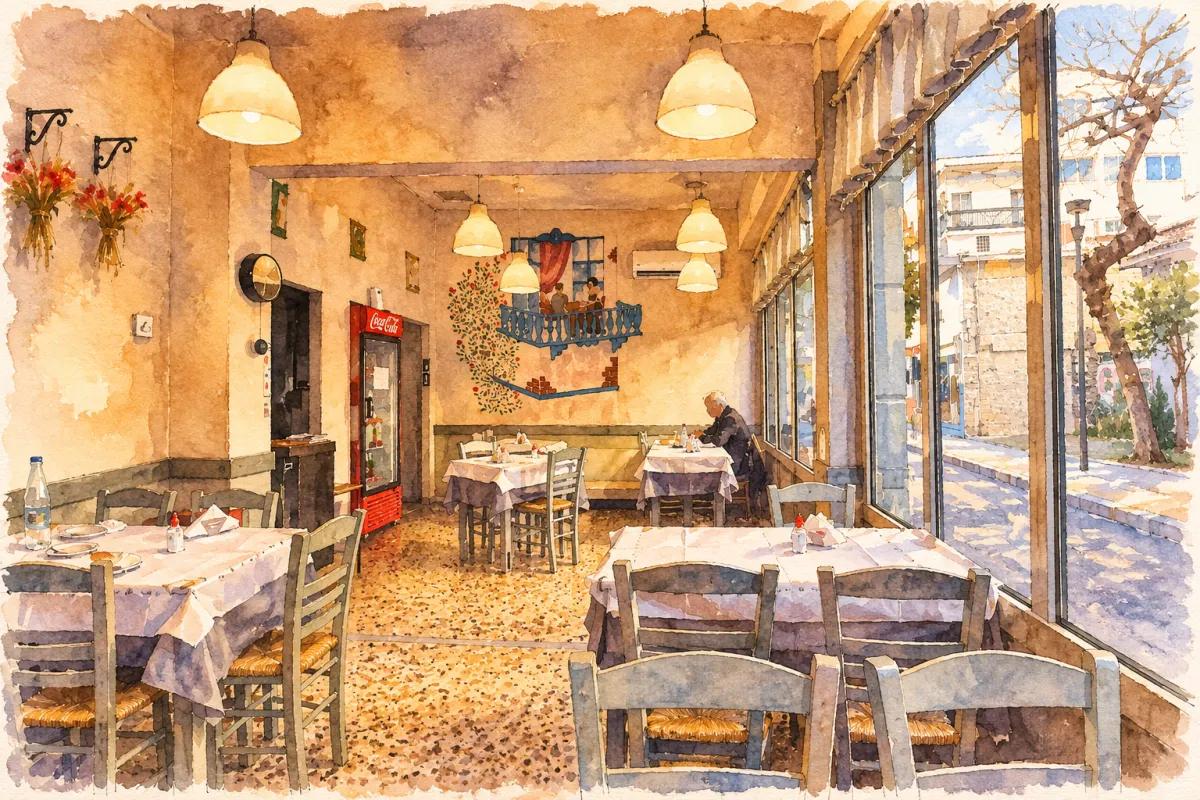
The Tasoudis family runs this traditional cookshop on Smyrnis Street. Come for Greek cooked dishes in a simple dining room with broad street windows. Ask what has come out of the kitchen that day before choosing.
Damianos and his daughter Mary welcome diners to a small taverna on Aminta. Soutzoukakia are the signature order, with grilled meat and aubergine salad alongside. The intimate room and lane-side tables suit a relaxed meal with company.
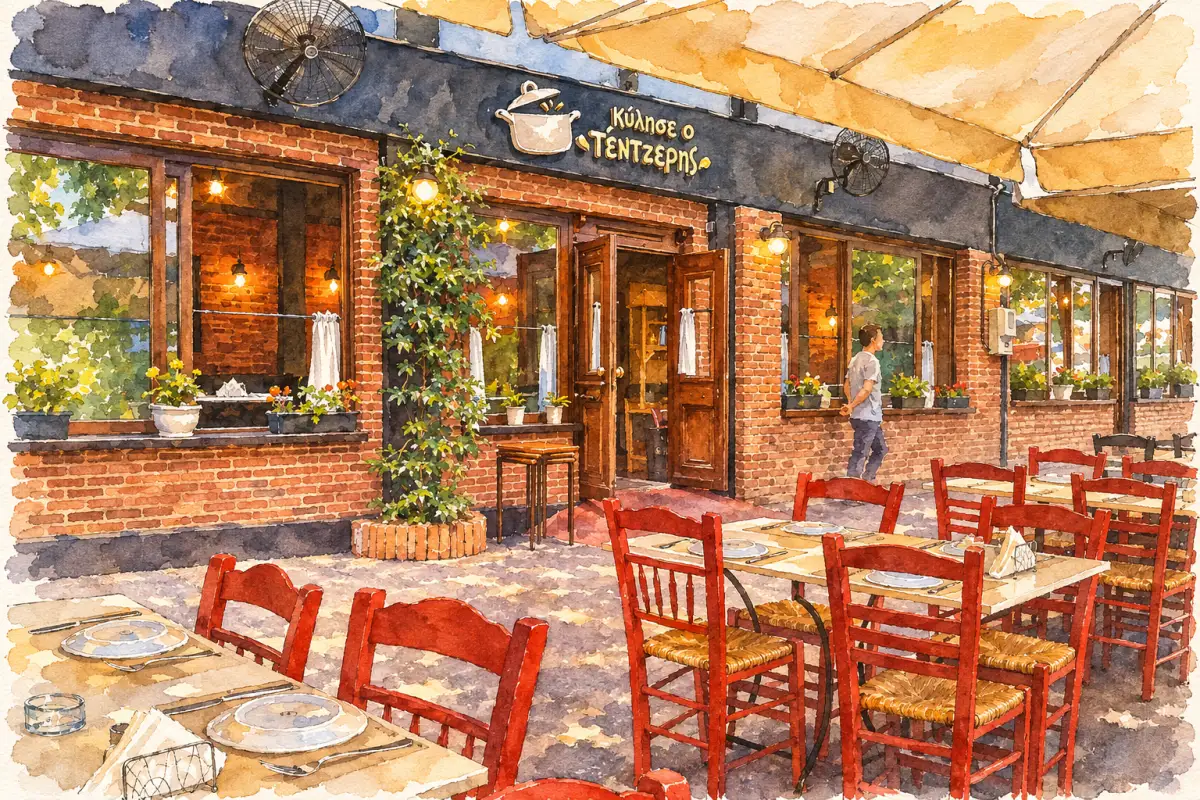
A meze stop near Agia Varvara, with a brick frontage, red chairs and sheltered outdoor tables. Choose a few plates to share and leave time for a walk around the springs.
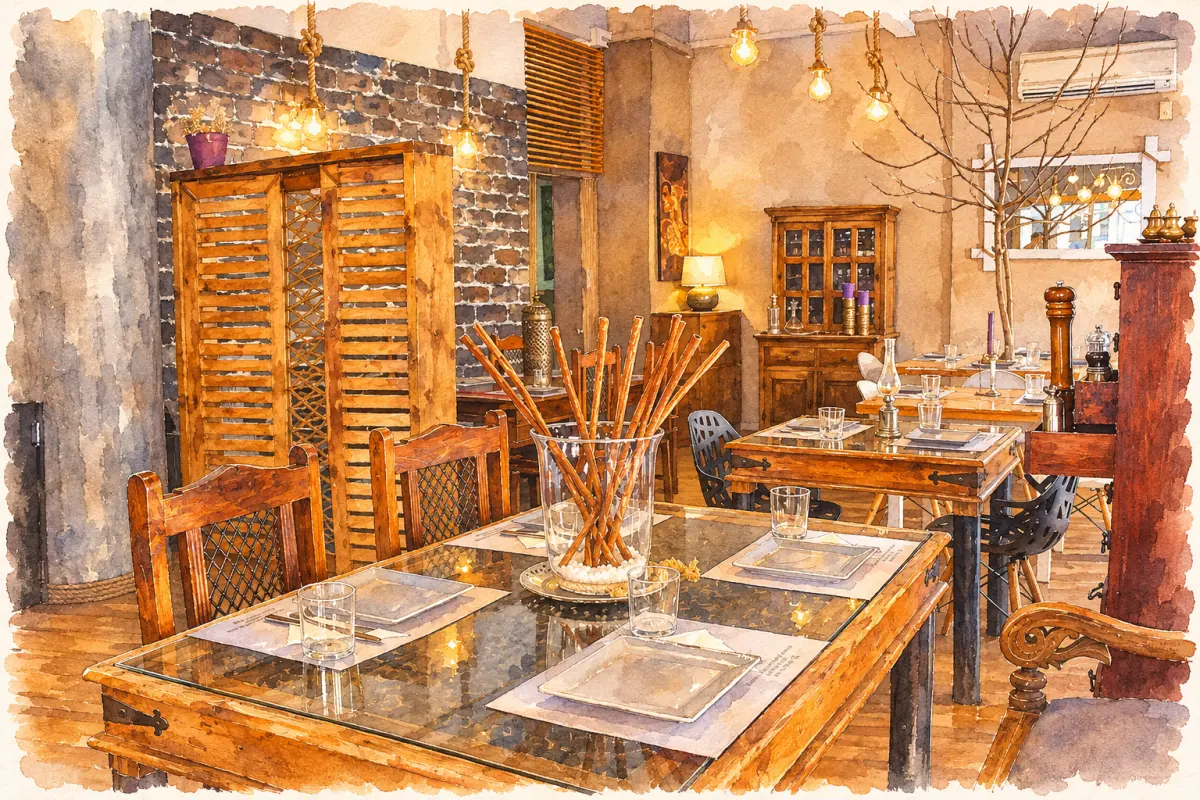
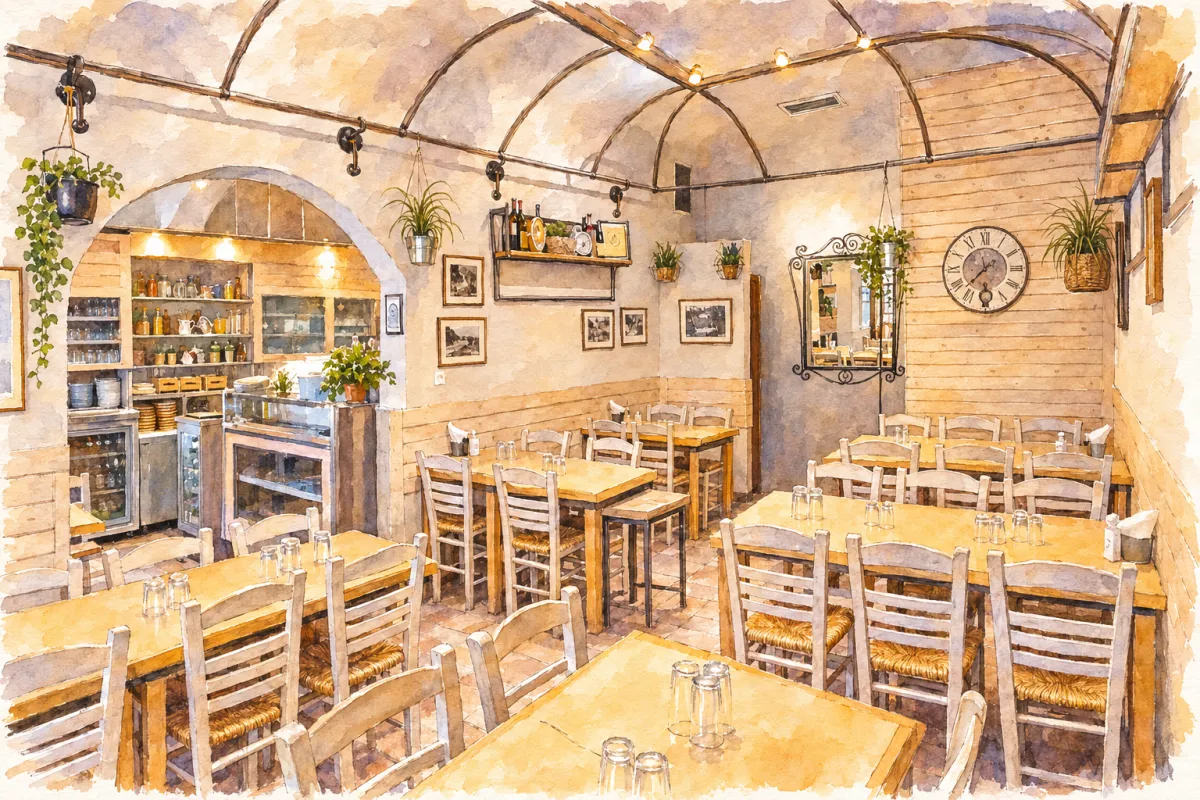
A family restaurant for a daytime meal on Skra Street. Greek cooking shares the menu with dishes such as mushroom pastitsio, in a room of wooden furniture and hanging lights. Ask about the daily selection.
Suggested: Mushroom pastitsio, when available, Dolmadakia
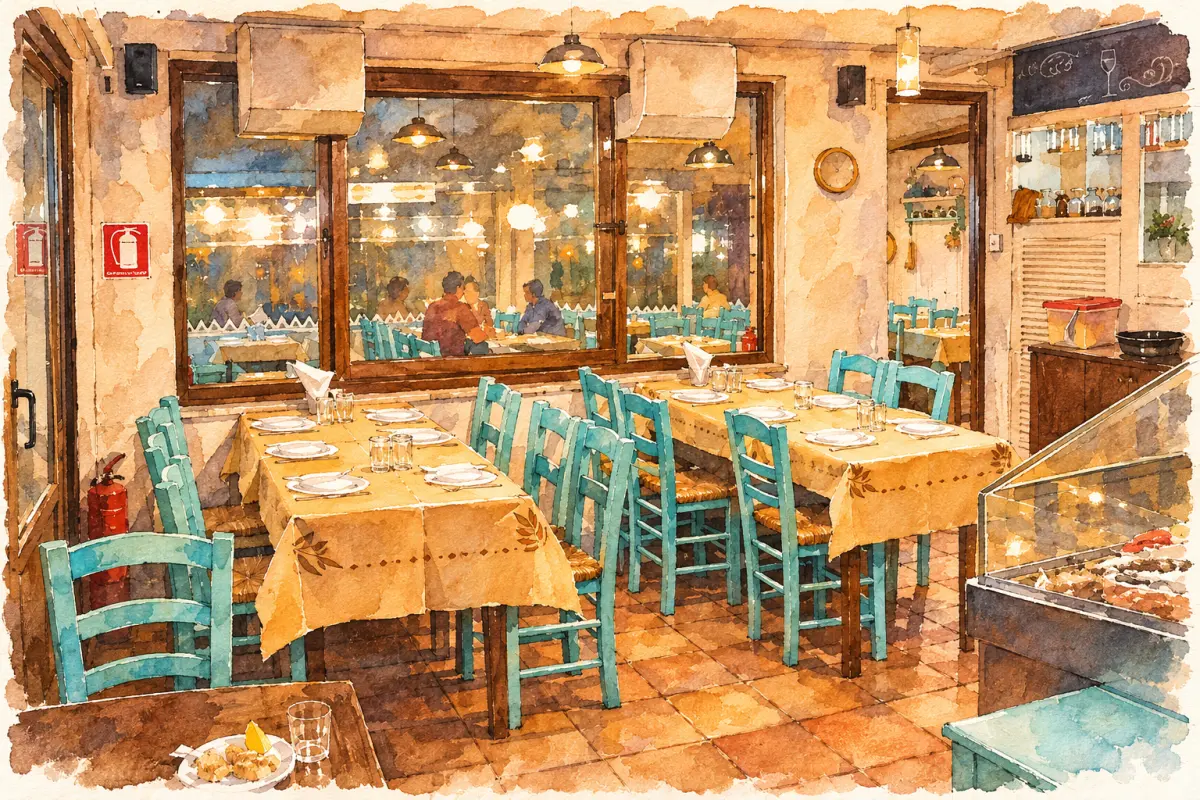
The Chatzopoulos family serves fish and seafood meze in the Municipal Garden, beside the Alexandros open-air cinema. Turquoise chairs brighten the dining room. Ask about the day’s fish, and allow extra time when the garden tables are busy.
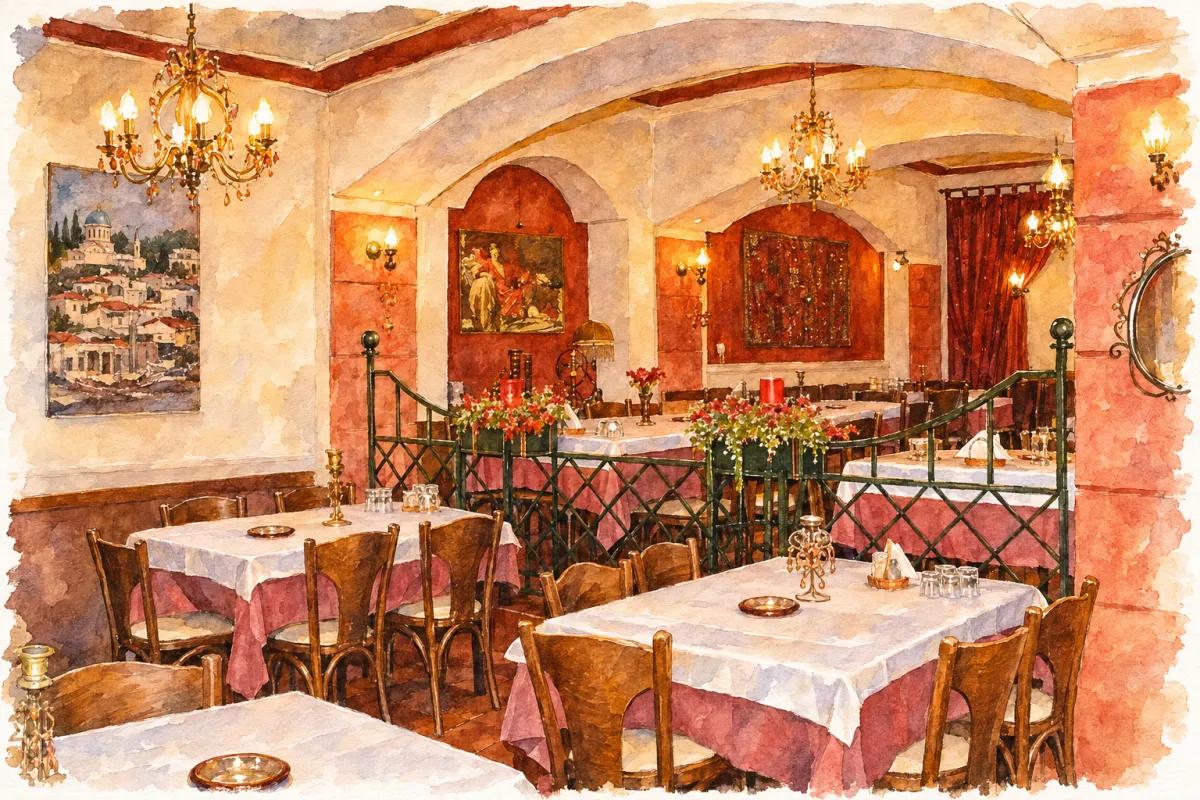
Near Agia Varvara, Rodostamo serves Greek food with Constantinopolitan and eastern influences. The dining room has arches, chandeliers and warm red details. It is an established stop for a sit-down meal after exploring the springs.
Suggested: Meatballs, Ask about the day’s specials
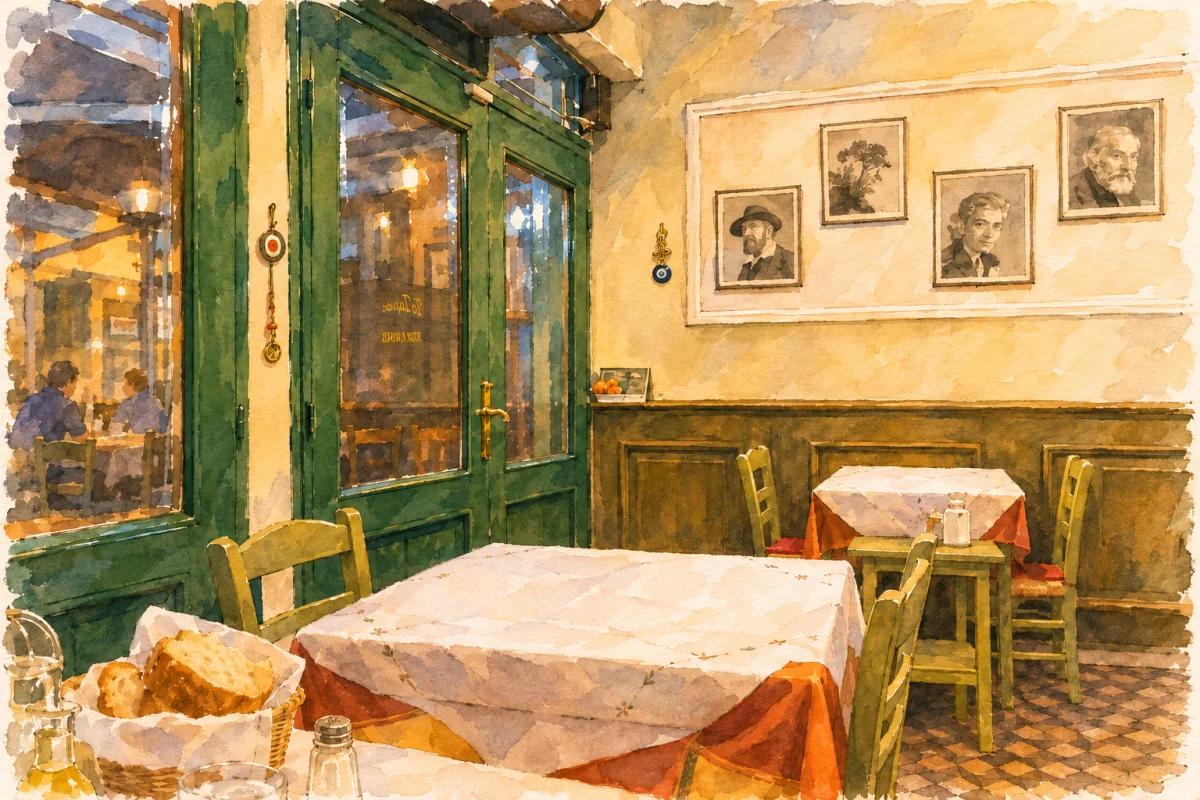
A neighbourhood taverna on Voulgaroktonou with a long association with soutzoukakia. Pale wooden panels and closely spaced tables keep the room simple and intimate. Come for grilled meat and a meal with company.
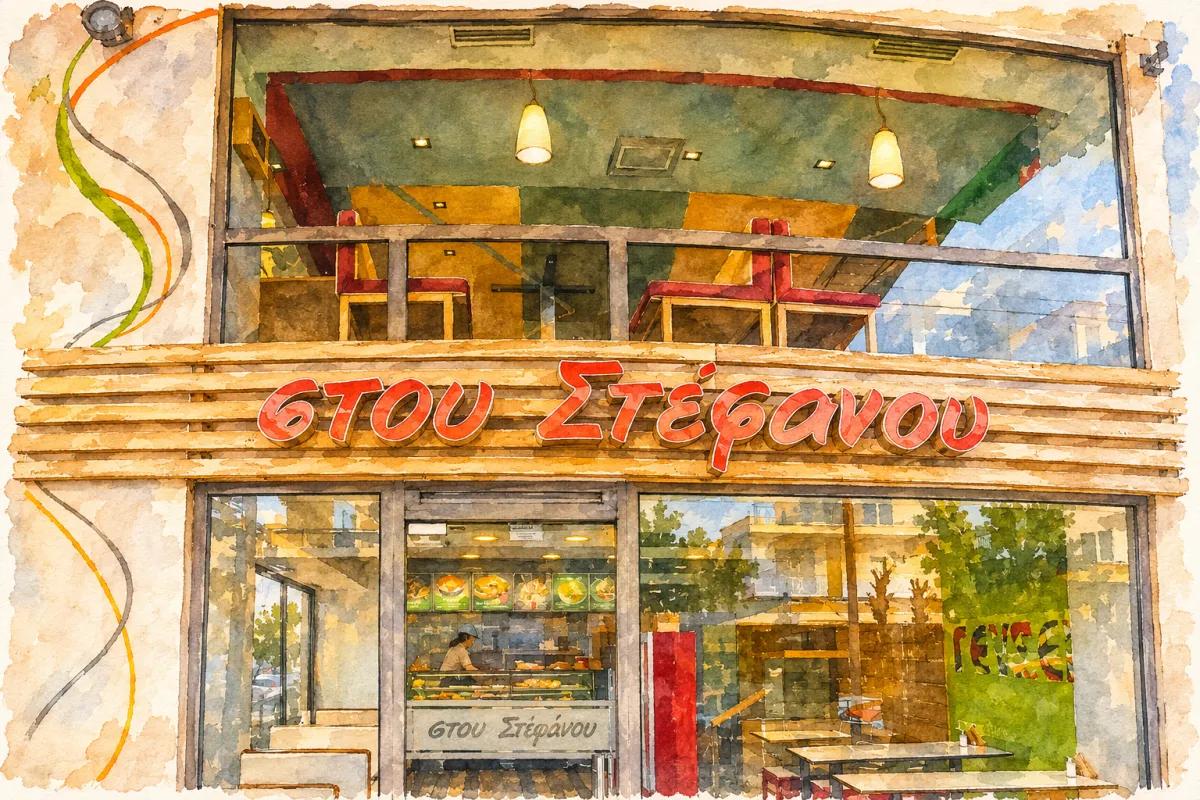
An established quick-food stop near the Xenia area, with gyros at the heart of its reputation. The red Greek sign marks the shop with a mezzanine on Anastasiou Makri. A practical choice when you want a straightforward meal between walks.
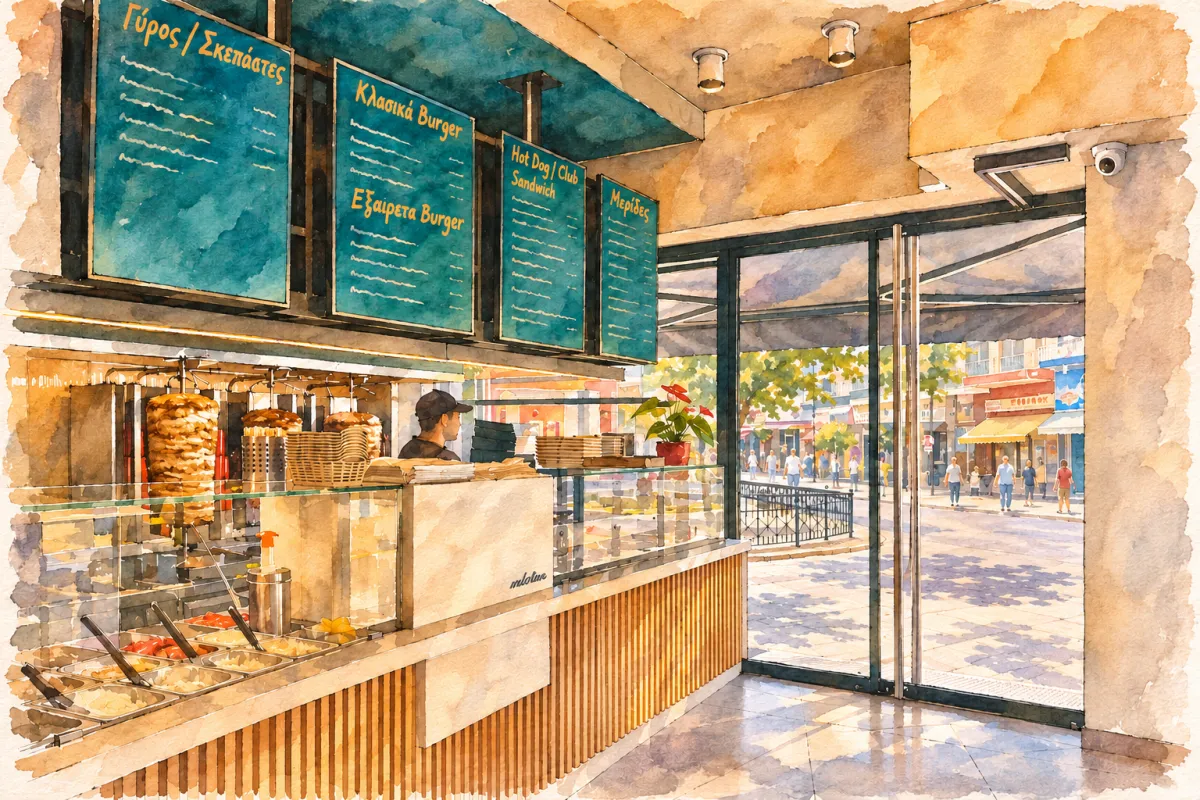
A longstanding everyday stop for burgers, soutzoukakia and other quick meals on Athanasiadi. The renovated counter and outdoor seating suit a casual break in town. Choose from the menu on arrival.
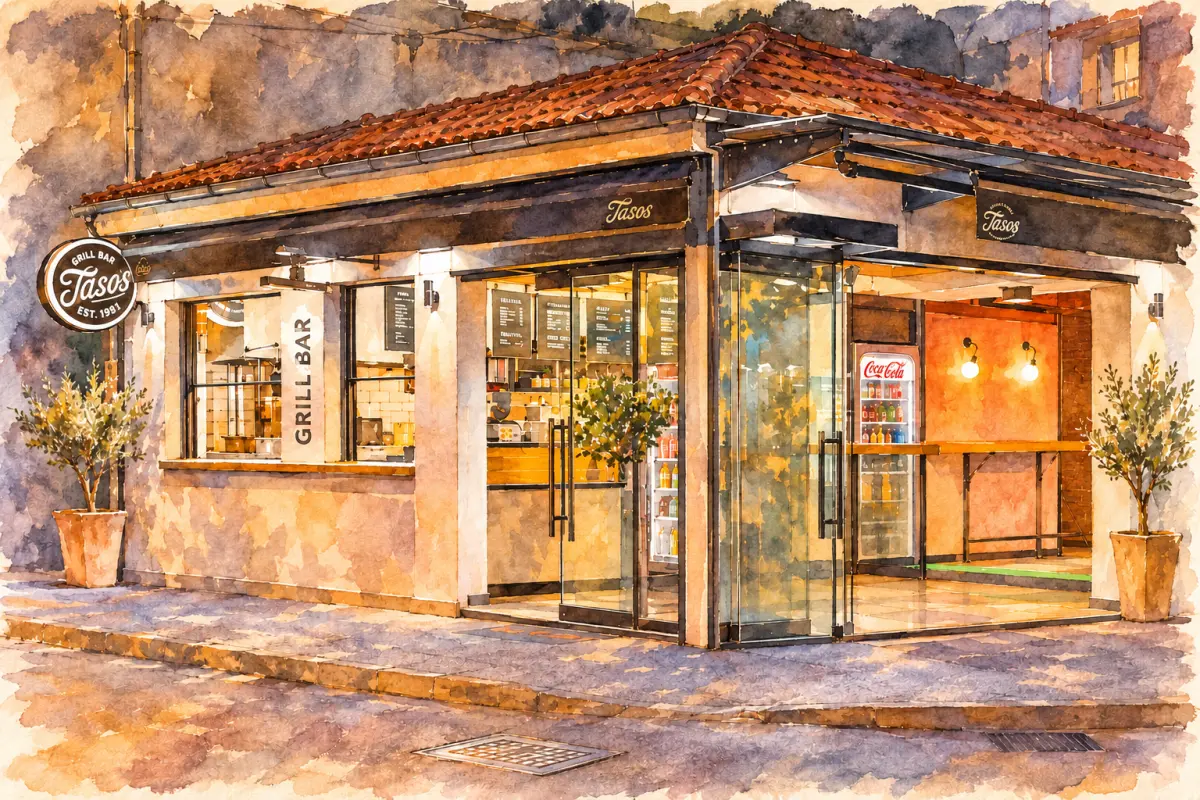
Established grill shop · Court Square, Lamprianidou 49
A well-known family grill business at Court Square, with a story that began with soutzoukakia in 1981. The corner shop is a convenient stop for a quick meal in the centre. Expect the pace of a busy, modern grill.
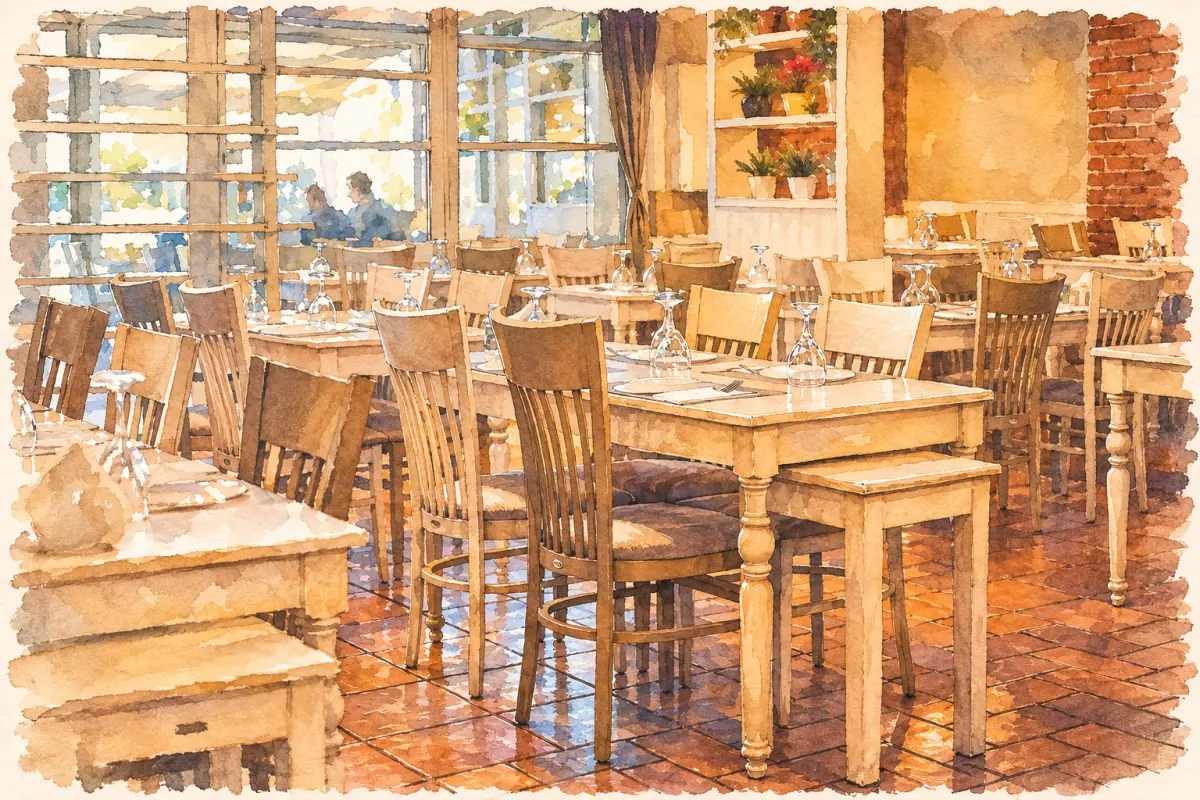
Chef Stefanos Theodoridis’s restaurant offers Greek cooking in a bright room with pale wooden furniture and exposed brick. The menu ranges from kontosouvli to mushroom risotto and meat dishes. A well-known central option for a longer meal at the table.
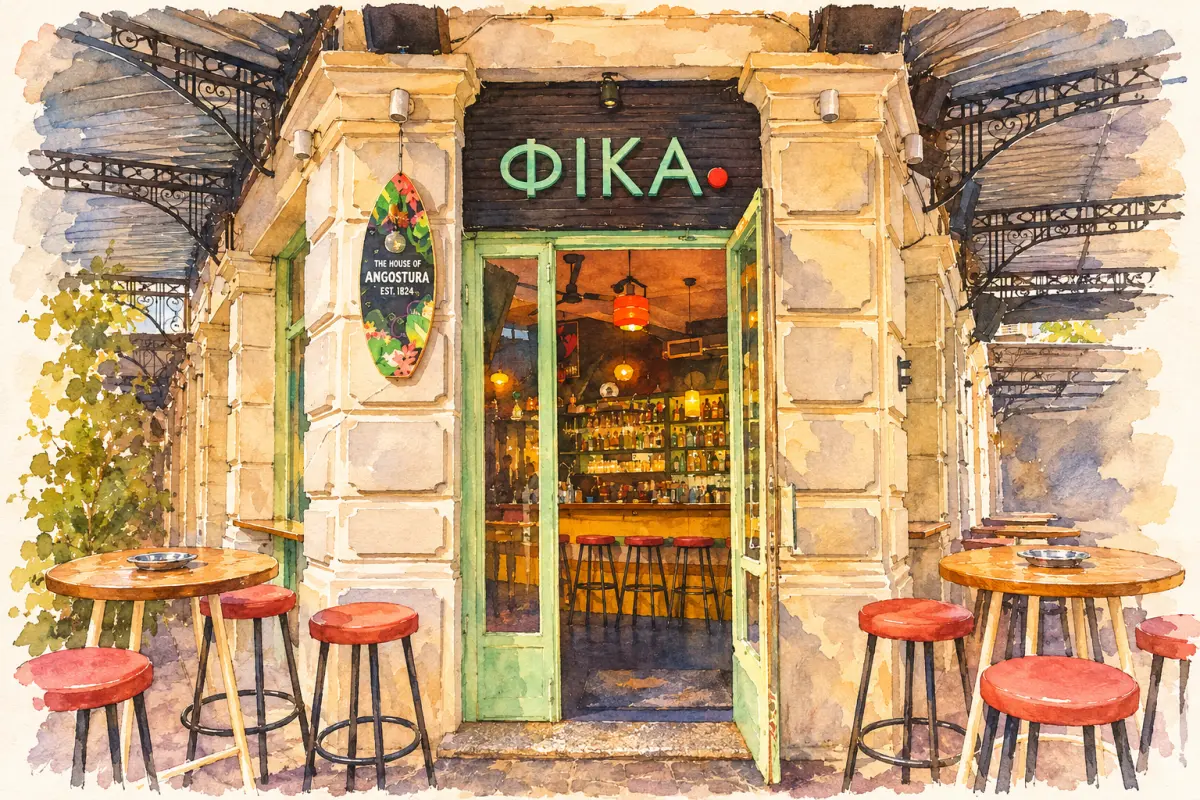
Behind the mint-green doorway, Fika brings Greek coffee, rakomelo and cocktails into a compact, colourful bar. Red stools and music set a sociable mood on Agathangelou. It is a place for a lively drink with friends.
Cafe and bar · Eirinis 20, near Megalou Alexandrou
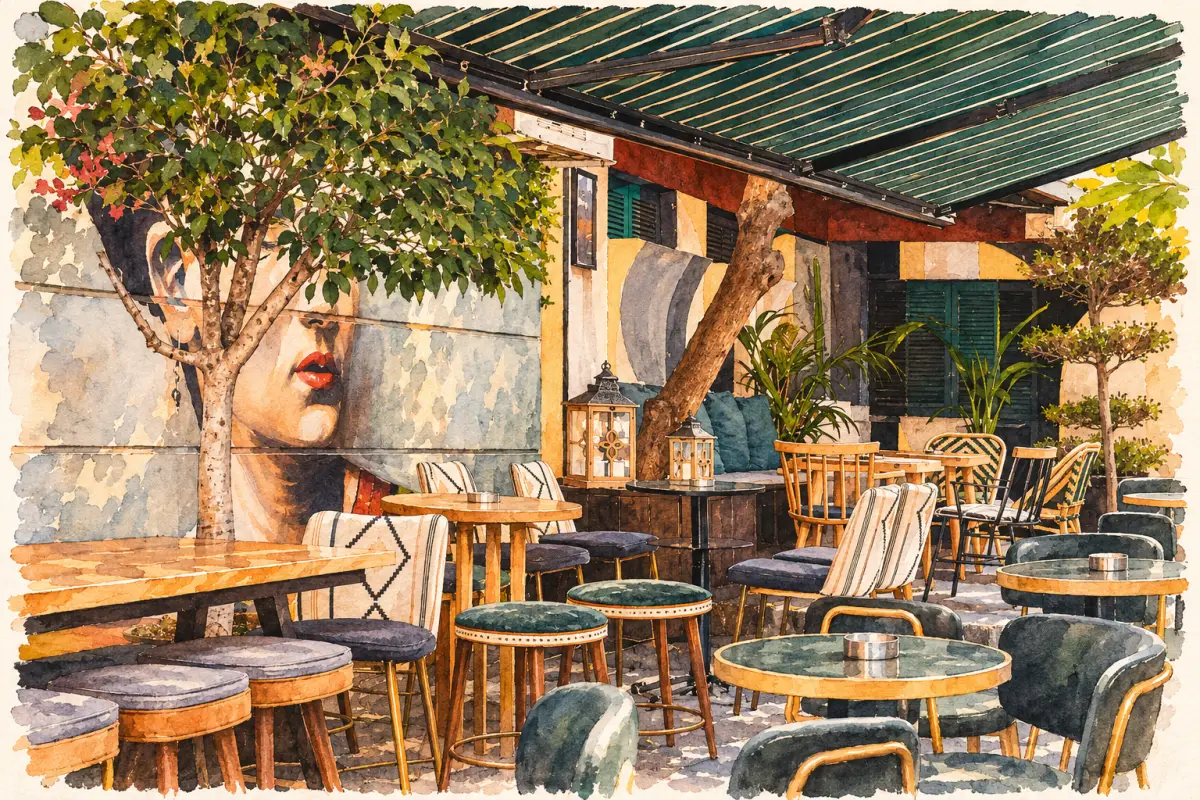
Leafy seating, a green slatted canopy and Frida Kahlo artwork give Guernica its character. This central cafe-bar has hosted live music and local dance events. Settle in for a drink, and check its programme if you are coming for a performance.
A longstanding Drama meeting place for coffee, beer and music on Patriarchou Dionysiou. Its regulars span generations, and it has featured in the city’s wine-festival programme. Check current hours and events before planning an evening around it.
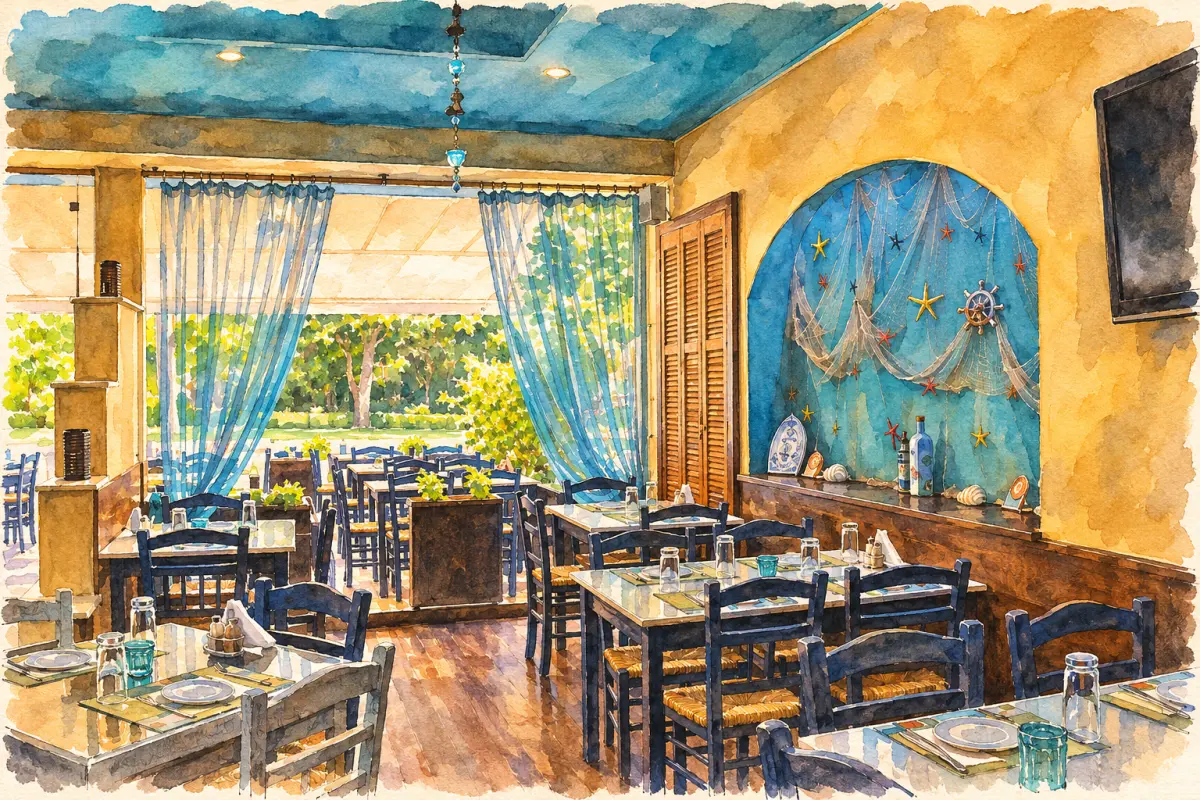
Tsipouro and meze are the reason to settle at Mpes kai Pies. A blue ceiling, light curtains and nautical details frame a casual room that opens towards outdoor tables. Choose drinks and meze to share with your company.
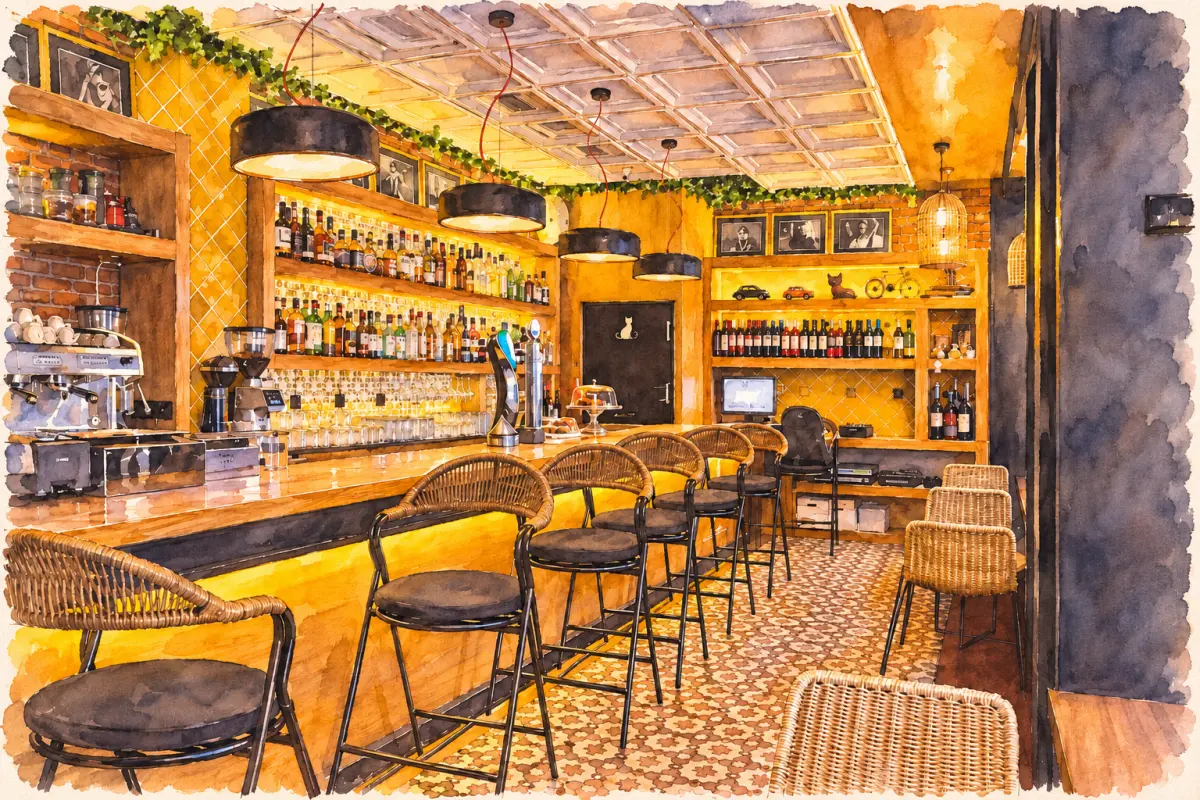
A compact all-day stop on Eirinis for coffee, brunch and a later drink. Yellow walls, a tiled floor and a white coffered ceiling frame the bar. Seating can feel tight; the toilets involve stairs, so check access if this matters to you.
Independently researched and selected. We have no commercial relationship with these places. Details and ratings last verified November 2026.
We use cookies
We use cookies to keep the site working and remember your preferences. With your permission, Google Analytics helps us understand visits. With the same permission, Microsoft Clarity also records clicks, scrolling and navigation on public pages, with sensitive fields masked. Advertising measurement is a separate choice. Read our Cookie Policy.
Unforgettable experiences
Activities in Drama
2 tours available
Default order reflects our recommendation. It is not paid placement.